



EV Charging for Strata Buildings: A Committee Guide for 2026
What NSW Committees Need to Know about EV Charging
EV adoption across Australia is accelerating, and strata buildings are well placed to get ahead of it. Owners are asking about chargers in their car spaces, and committees that have a clear process in place are finding these requests straightforward to manage.
The short answer: it is possible, but it requires a process. This guide walks through what NSW strata committees need to know about EV charging in 2026, from by-law requirements to infrastructure options, so your building can handle these requests without the confusion.
Why EV Charging Is Now on Every Committee’s Agenda
AS 1851-2012 is the most recent Australian Standard for the routine service of fire protection systems and equipment. It serves as a detailed instruction manual for competent personnel, specifying how often each fire safety measure should be inspected and the exact steps to undertake during each inspection.
The standard covers a wide range of essential fire safety equipment including smoke alarms, fire hydrants, sprinklers, pump sets, fire doors, hose reels, and fire detection systems. Previously, many fire protection companies used AS 1851-2012 as a guideline rather than a strict requirement. From 13 February 2026, it is law.
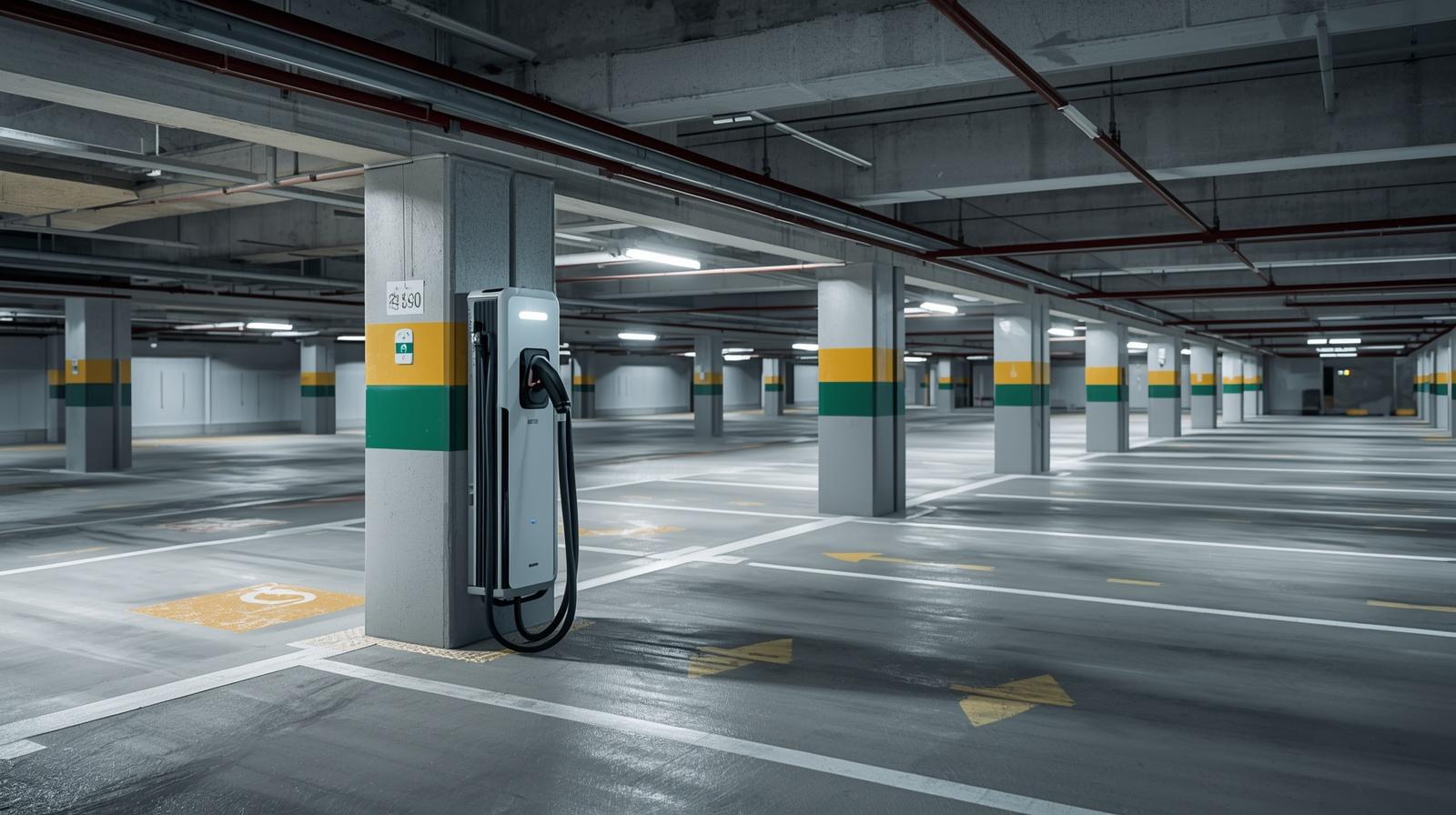
Can an Owner Just Install a Charger in Their Car Space?
Not without going through the proper process. Under the Strata Schemes Management Act 2015 (NSW), any work that affects common property requires approval from the owners corporation. Most car parks in strata buildings are common property or involve electrical infrastructure that connects to common areas, which means owners cannot simply hire an electrician and install a charger without authorisation.
An owner who installs a charger without approval risks having the works deemed unauthorised, which creates liability and enforcement issues for the committee. It is far better for committees to have a clear process in place before requests start coming in.
How EV Charging for Strata Buildings Gets Approved in NSW
The approval process depends on the type of installation being requested and what by-laws your scheme has in place. Here is how it generally works:
Step 1: Check your existing by-laws
Some newer strata schemes already have by-laws that address EV charging. Older schemes often do not. Your strata manager should be able to tell you whether your scheme has relevant by-laws and what they cover.
Step 2: Determine what type of installation is being proposed
There are two main types of EV charger installations in strata:
- Individual charger in a private car space: The owner installs a charger in their own lot or exclusive use car space. They typically pay for the charger and the electrical work, and the cost of electricity comes from their own meter if the electrical connection can be run that way.
- Shared charging infrastructure: The owners corporation installs shared chargers in common property car spaces. This is usually funded through the capital works fund or a special levy, and the cost is shared across the owners corporation.
Step 3: Get the electrical infrastructure assessed
Most strata buildings were not designed with EV charging in mind. Before approving any installation, the owners corporation should commission an electrical infrastructure assessment to understand the capacity of the building’s electrical system and what upgrades might be required. This is particularly important for older buildings where the switchboard may not support multiple chargers running simultaneously.
Step 4: Pass a by-law or motion at a general meeting
For individual owner installations, a by-law will generally need to be passed at a general meeting authorising the works and setting out the conditions. This typically covers who pays, what standards the installation must meet, ongoing maintenance responsibility, and what happens if the owner sells the lot.
For shared infrastructure, an ordinary resolution at a general meeting is usually sufficient to approve the expenditure, depending on the cost and how it is funded.
Who Pays for EV Charging in a Strata Building?
Where things tend to get complicated is the question of cost – and the answer largely comes down to the type of installation involved:
- Individual installation: Generally, the owner pays for the charger, the installation, and any electrical upgrades required to connect to their own meter. If common property electrical infrastructure needs to be upgraded to support the installation, the committee needs to decide how to handle that cost.
- Shared infrastructure: The owners corporation funds the installation, usually through the capital works fund or a special levy. Electricity costs are typically recovered through a usage fee system.
- Embedded network arrangements: Some buildings use embedded energy networks to manage electricity supply and billing for EV chargers. From 1 April 2026, Section 184 certificates must include information about embedded networks, so this is worth flagging to your strata manager if your building has or is considering one.
What the NSW Government Says About EV Charging in Strata
The NSW Government has recognised that strata buildings face specific challenges around EV charging and has been working to make the process clearer. The NSW Fair Trading website has guidance on common property and owner works that is relevant to EV charging requests.
The NSW Government’s broader strata law reforms, which have been introduced in stages since 2023, also include provisions designed to make it easier for owners corporations to approve sustainability-related upgrades, including EV charging infrastructure. Committees should be aware of these provisions when considering how to respond to owner requests.
For the most current guidance, refer to:
What a Good EV Charging Policy Looks Like for Your Strata Building
Rather than dealing with EV charging requests one at a time as they come in, the most effective approach is for the committee to put a policy in place proactively. A good EV charging policy for a strata building will typically cover:
- The process an owner must follow to request an EV charger installation
- The standards the installation must meet, including charger type, electrical specifications, and safety requirements
- How costs are allocated, including the charger, installation, electrical upgrades, and ongoing electricity usage
- Maintenance and liability: who is responsible if the charger is damaged or causes an issue
- What happens to the installation if the owner sells or the by-law is revoked
- How the committee will manage requests for shared infrastructure if multiple owners want to charge
Getting a policy in place before the requests start coming in puts the committee in a much stronger position. It also signals to owners that the committee is forward-thinking and organised, rather than reactive.
The Role of Your Strata Manager in EV Charging Planning
EV charging is exactly the kind of issue where having a proactive strata manager makes a real difference. A good strata manager should be able to:
- Advise on what by-laws your scheme currently has and what changes might be needed
- Coordinate the electrical infrastructure assessment
- Draft the necessary by-laws or motions for a general meeting
- Help the committee navigate owner requests in a way that is fair and consistent
- Keep the committee informed about relevant changes to NSW strata legislation as they apply to EV charging
As more owners purchase EVs, the demand on building electrical infrastructure will increase. Committees that plan ahead now will avoid significant headaches later.
If your strata scheme is managed by TSM, speak to your manager about where your building stands and what the next steps look like. If you are evaluating strata management options and EV charging is on the agenda for your building, it is worth asking any prospective manager how they handle this kind of infrastructure planning.
Ready to get your building’s EV charging sorted?
Speak to your TSM manager about where your building stands and what the next steps look like. Not with TSM yet? Get in touch and we can walk you through how we handle EV charging planning for the buildings we manage.
Did you know that TSM is now commission free since September 2025? Read more about it here.